Introduction:
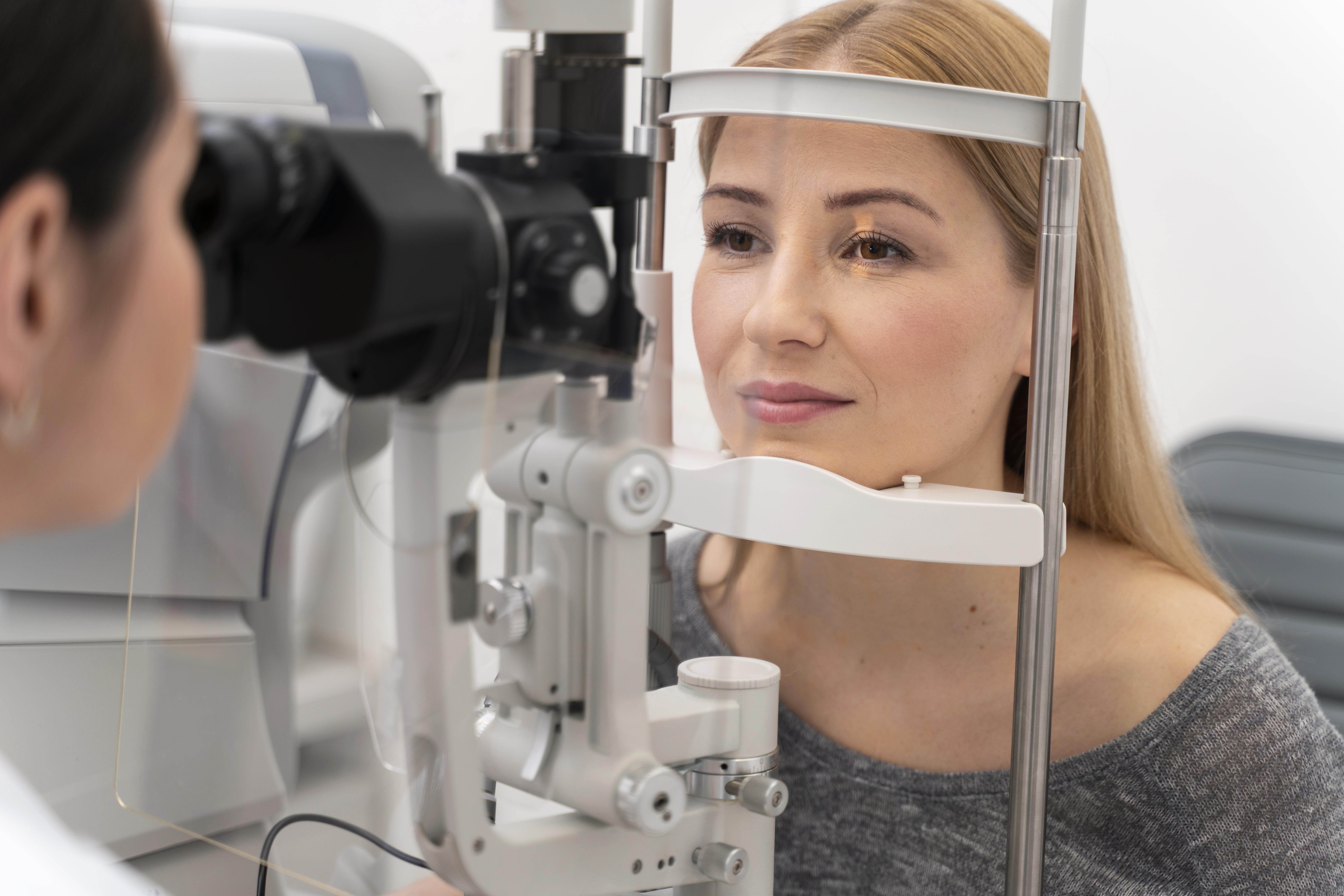
The landscape of eye surgery equipment Cape Town is undergoing a revolutionary transformation. Eye surgeons are armed with precision tools, lasers and imaging systems. Moreover, they are achieving unprecedented levels of accuracy and success in various ocular interventions. In this comprehensive exploration, we will delve into the realm of technology that shapes modern eye surgeries. Furthermore, we unravel the intricacies of the instruments that bring clarity and vision to countless individuals.
1. Microsurgical Instruments
Overview:
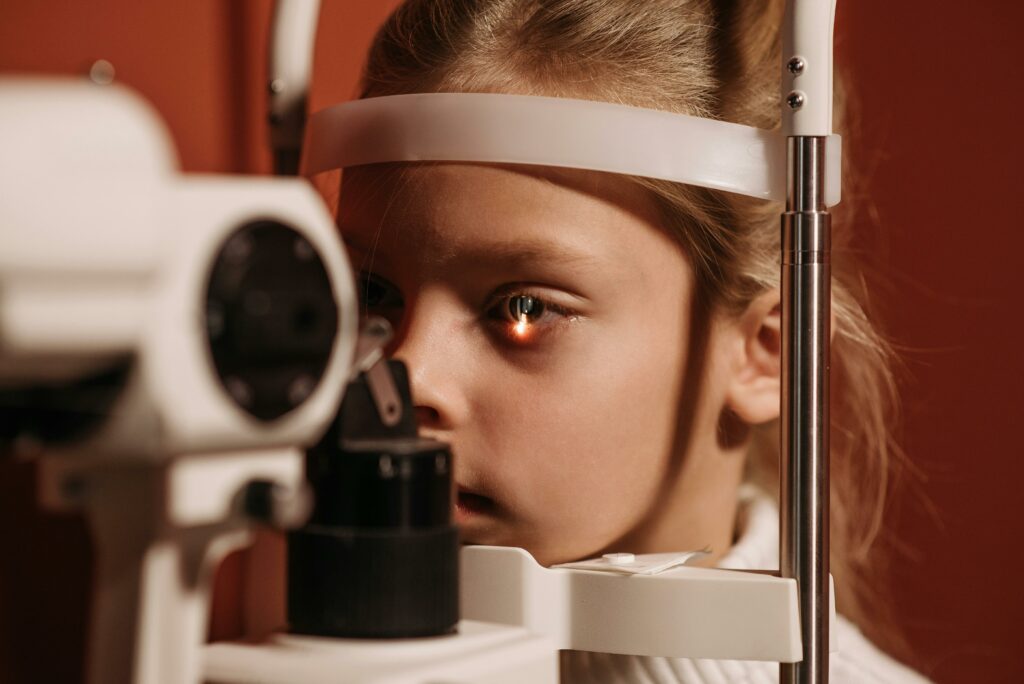
Microsurgical instruments form the backbone of eye surgeries, allowing surgeons to work with unparalleled precision on delicate ocular structures. These instruments are typically designed to be fine, lightweight and maneuverable. This enables surgeons to navigate the intricate anatomy of the eye.
Examples:
Microforceps: Tiny forceps used for grasping and manipulating tissues during surgeries like cataract removal.
Microscissors: Ultrafine scissors for cutting tissues with minimal trauma.
Microneedle Holders: Small, specialized tools for suturing and precise needle control.
2. Phacoemulsification Devices
Overview:
Cataract surgery has been revolutionized by phacoemulsification devices, which utilize ultrasonic energy to break up and emulsify cataractous lenses. This technology has significantly improved the efficiency and safety of cataract surgeries.
Features:
Ultrasonic Handpieces: Deliver ultrasonic vibrations to emulsify and aspirate cataractous material.
Fluidics Systems: Regulate irrigation and aspiration of fluids within the eye during surgery.
Advanced Energy Modulation: Allows surgeons to control and customize the amount of ultrasonic energy delivered.
3. Femtosecond Laser Technology
Overview:
Femtosecond lasers have become integral in refractive and cataract surgeries. This offers unparalleled precision in corneal and lens procedures. These lasers operate at incredibly short pulses, enhancing surgical accuracy and outcomes.
Applications:
LASIK Flap Creation: Femtosecond lasers create precise corneal flaps in LASIK procedures.
Cataract Surgery: Used for creating precise incisions and fragmenting the lens for easier removal.
Corneal Transplantation: Enables precise cutting and shaping of donor corneal tissue.
4. Ophthalmic Microscopes
Overview:
Ophthalmic microscopes are specialized instruments designed to provide surgeons with high-resolution, stereoscopic views of the eye during surgery. These microscopes enhance visualization and enable precise maneuvering during intricate procedures.
Features:
Binocular Design: Provides a three-dimensional view for depth perception.
Illumination Systems: Adjustable light sources for optimal visibility.
Motorized Zoom and Focus: Allows surgeons to fine-tune magnification and focus during surgery.
5. Intraocular Lenses (IOLs)
Overview:
Intraocular lenses play a crucial role in vision restoration after cataract surgery. Modern IOLs are not just replacements for natural lenses but often incorporate advanced technologies to address various visual needs.
Types:
Monofocal IOLs: Correct vision at a single distance (usually distance vision).
Multifocal IOLs: Provide vision correction for multiple distances, reducing dependence on glasses.
Toric IOLs: Correct astigmatism in addition to cataracts.
6. Optical Coherence Tomography (OCT)
Overview:
OCT is a non-invasive imaging technology that has revolutionized the diagnosis and monitoring of various eye conditions. In surgery, it provides real-time, high-resolution cross-sectional images, aiding surgeons in making precise decisions.
Applications:
Retinal Surgery: Assists in visualizing retinal structures during vitrectomy.
Corneal Surgery: Guides surgeons in procedures like corneal transplants.
Glaucoma Surgery: Helps in assessing the drainage structures and monitoring postoperative outcomes.
Conclusion
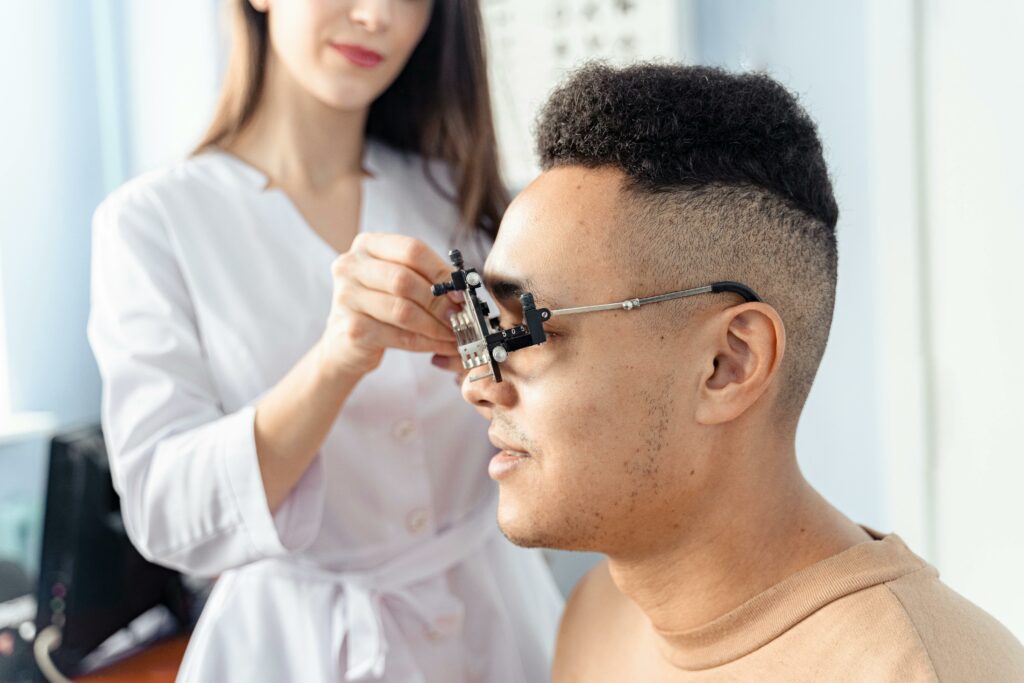
The technological tapestry of eye surgery equipment Cape Town is vibrant and dynamic, with innovations continually pushing the boundaries.
It becomes evident that the convergence of advanced technology and surgical expertise is not just enhancing vision but reshaping the landscape of ophthalmic care, illuminating a path towards clearer and brighter tomorrows.