Introduction:
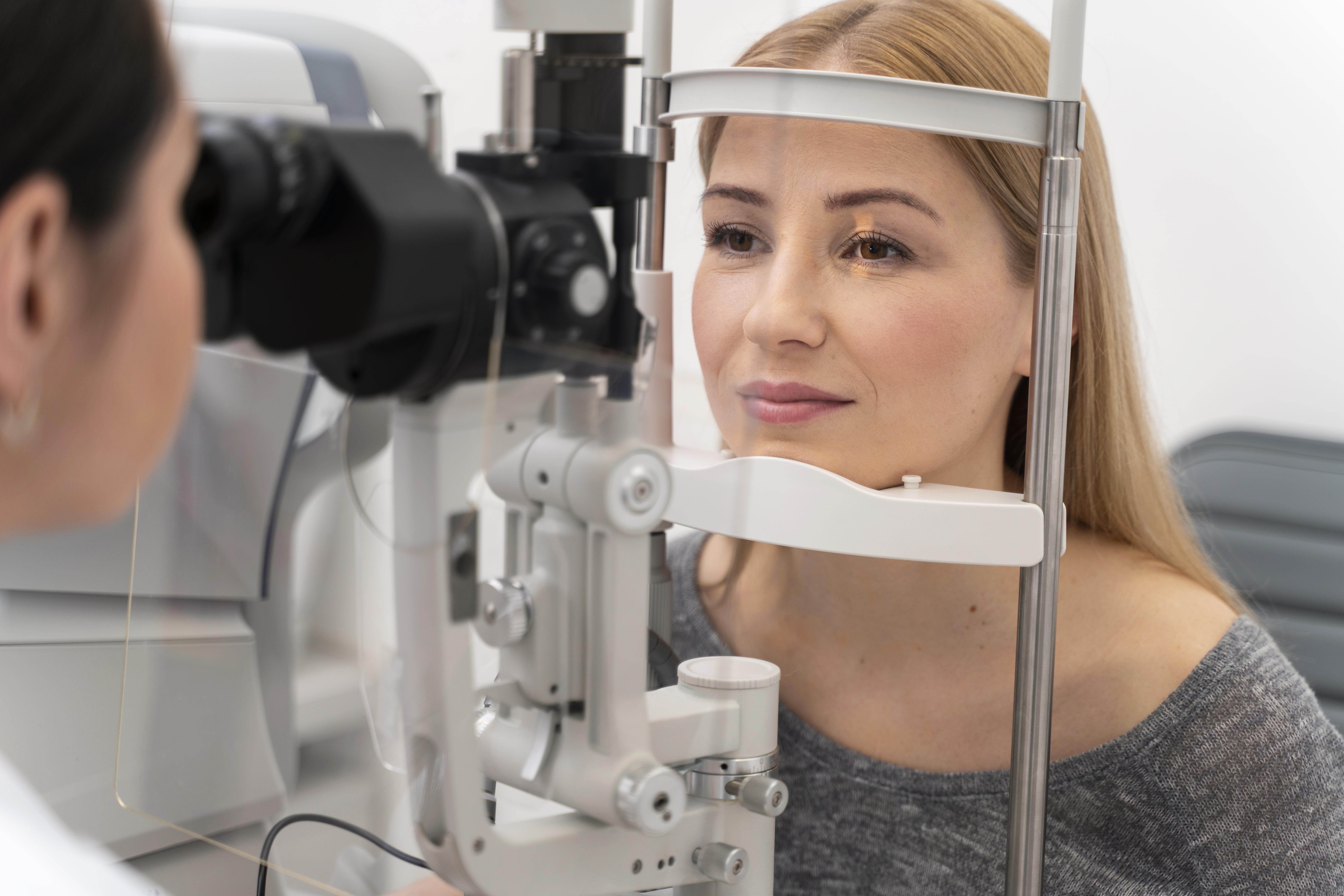
The realm of eye surgery in cape town is a vast and evolving field. Moreover, it’s dedicated to enhancing and preserving one of our most precious senses – vision. Eye surgeons, armed with medical knowledge and technologies, employ a variety of surgical interventions to correct and improve vision. In this comprehensive guide, we will explore the diverse landscape of eye surgeries and procedures. Furthermore, we will unravel the mysteries behind each technique and its potential to transform lives.
1. Cataract Surgery
Overview: Cape Town Eye Surgery
Cataract surgery is one of the most common and transformative eye surgeries. It involves the removal of a clouded lens (cataract) from the eye and replacing it with an artificial intraocular lens. This procedure aims to restore clear vision and is often performed on aging individuals experiencing vision impairment due to cataracts.
Techniques:
Phacoemulsification: The most common technique involves using ultrasound to break up the cloudy lens, which is then suctioned out.
Extracapsular Surgery: In cases where phacoemulsification is not suitable, the surgeon removes the cataract in one piece.
2. Refractive Surgery
Overview:
Refractive surgery aims to correct common vision problems such as myopia (nearsightedness), hyperopia (farsightedness) and astigmatism. These procedures reshape the cornea or utilize artificial lenses to improve the eye’s ability to focus. This often eliminates the need for glasses or contact lenses. Read More?
Techniques:
LASIK (Laser-Assisted In Situ Keratomileusis): A laser is used to reshape the cornea, allowing for improved light refraction onto the retina.
PRK (Photorefractive Keratectomy): Similar to LASIK but involves reshaping the cornea’s surface rather than creating a flap.
LASEK (Laser Epithelial Keratomileusis): Combines aspects of LASIK and PRK, involving a thinner corneal flap.
3. Glaucoma Surgery
Overview:
Surgeries aim to alleviate intraocular pressure, a primary factor contributing to optic nerve damage and vision loss in glaucoma patients. These procedures can enhance drainage or reduce fluid production within the eye.
Techniques:
Trabeculectomy: Creates a new drainage channel to facilitate the outflow of intraocular fluid.
Tube Shunt Surgery: Involves implanting a small tube to redirect fluid and lower intraocular pressure.
4. Retinal Surgery
Overview:
Retinal surgeries address conditions affecting the retina. The retina is a critical layer of tissue at the back of the eye responsible for transmitting visual information to the brain. These procedures are often intricate and delicate, aiming to repair retinal detachments or manage diseases like diabetic retinopathy.
Techniques:
Vitrectomy: Involves removing the vitreous gel to repair retinal detachments or address complications from conditions like diabetic retinopathy.
Retinal Laser Surgery: Uses laser technology to treat conditions such as diabetic retinopathy by sealing or shrinking abnormal blood vessels.
5. Corneal Transplant Surgery
Overview:
Corneal transplant surgeries, also known as keratoplasty, are performed to replace damaged or diseased corneal tissue with healthy donor tissue. These procedures can restore clarity to the cornea, improving overall vision.
Techniques:
Penetrating Keratoplasty (PKP): Involves replacing the entire cornea with a donor cornea.
Endothelial Keratoplasty (EK): Targets the innermost layer of the cornea, replacing only the damaged endothelial cells.
6. Laser Eye Surgery for Presbyopia
Overview:
Presbyopia is an age-related condition that affects the eye’s ability to focus on close objects. Laser eye surgery techniques can be employed to address presbyopia, offering improved near vision.
Techniques:
Monovision LASIK or PRK: Corrects one eye for distance vision and the other for near vision.
Conductive Keratoplasty (CK): Uses radiofrequency energy to reshape the cornea and improve near vision.
Conclusion
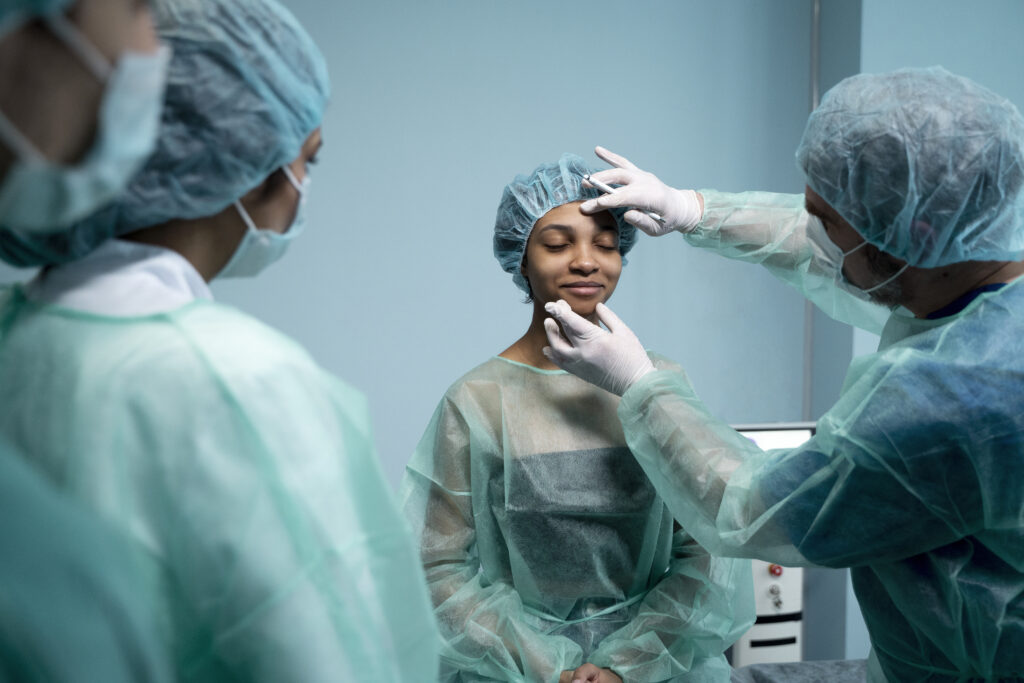
In the dynamic landscape of eye surgery in Cape Town, each procedure represents a unique approach to addressing specific vision challenges. The expertise of eye surgeons, coupled with technological advancements, continues to expand the possibilities for vision enhancement and restoration. As we navigate through these various surgeries, it becomes evident that the world of eye surgery is not only about correcting vision but about empowering individuals to see the world with newfound clarity and precision.